Dive Sites
Asia Pacific
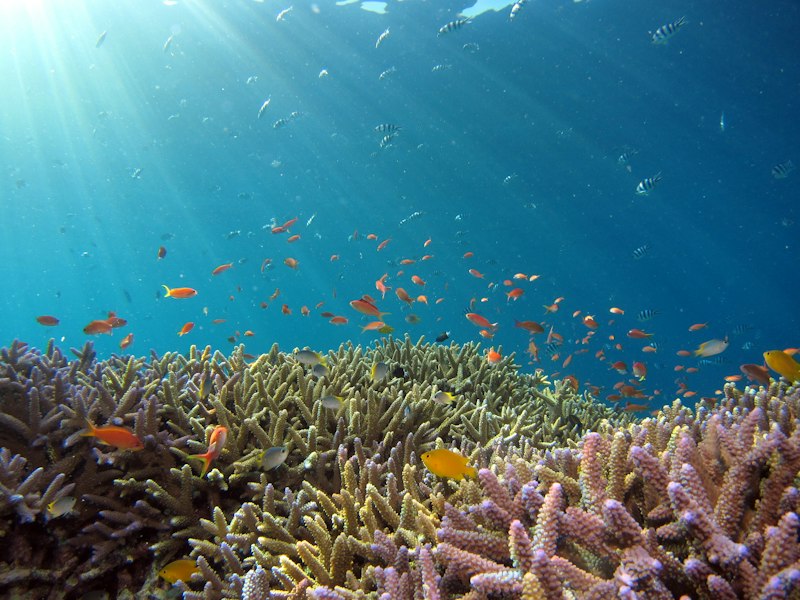
Great Barrier Reef
Australia
Depth
5-40m
Visibility
20-30m
Best Time
June
Highlights:
Raja Ampat
Indonesia
Depth
5-40m
Visibility
15-30m
Best Time
October
Highlights:
Sipadan Island
Malaysia
Depth
5-40m
Visibility
20-40m
Best Time
March
Highlights:
Americas
Cenotes
Mexico
Depth
5-30m
Visibility
50-100m
Best Time
Year-round
Highlights:
Galapagos Islands
Ecuador
Depth
10-40m
Visibility
10-25m
Best Time
June
Highlights:
Types of Dive Sites
Different underwater environments to explore
Coral Reefs
Vibrant ecosystems with colorful corals and tropical fish
Wreck Dives
Explore sunken ships and underwater history
Wall Diving
Dramatic vertical drops with pelagic species
Cave & Cavern
Unique geological formations and crystal-clear water
Drift Diving
Ride currents past spectacular marine life
Night Diving
Discover nocturnal creatures and bioluminescence
Shark Diving
Encounter various shark species in their habitat
Pelagic Sites
Open ocean diving with large marine animals
What to Expect
Understanding dive site conditions
Water Conditions
Temperature
Ranges from 10°C (cold water) to 30°C (tropical). Wetsuit thickness varies accordingly.
Visibility
Can range from 5m to 50m+ depending on location, season, and conditions.
Currents
From calm to strong. Some sites require drift diving experience.
Marine Life
Tropical Reefs
Colorful fish, corals, turtles, rays, and reef sharks.
Pelagic Sites
Sharks, manta rays, whale sharks, dolphins, and schooling fish.
Macro Life
Nudibranchs, shrimps, crabs, and other small creatures.
Seasonal Diving Guide
Best times to visit popular destinations
| Destination | Best Season | Water Temp | Highlights |
|---|---|---|---|
| Great Barrier Reef | Jun - Nov | 23-26°C | Minke whales (Jun-Jul) |
| Maldives | Nov - Apr | 27-30°C | Manta rays, whale sharks |
| Raja Ampat | Oct - Apr | 27-30°C | Highest biodiversity |
| Galapagos | Jun - Nov | 18-24°C | Hammerheads, whale sharks |
| Cenotes Mexico | Year-round | 24-26°C | Cave diving, clear water |
| Red Sea Egypt | Mar - Nov | 22-28°C | Wrecks, coral reefs |
Planning Your Dive Trip
Research Your Destination
Learn about marine life, conditions, and best seasons. Check visa requirements and travel advisories.
Check Certification Requirements
Some sites require advanced certifications or specialty training. Ensure you meet the requirements.
Book with Reputable Operators
Choose established dive centers with good safety records and experienced guides.
Get Dive Insurance
DAN membership provides emergency evacuation and medical coverage for dive accidents.
Prepare Your Equipment
Service your gear before the trip. Decide what to bring and what to rent locally.
Ready to Explore?
Join us on an unforgettable diving adventure to the world's best dive sites