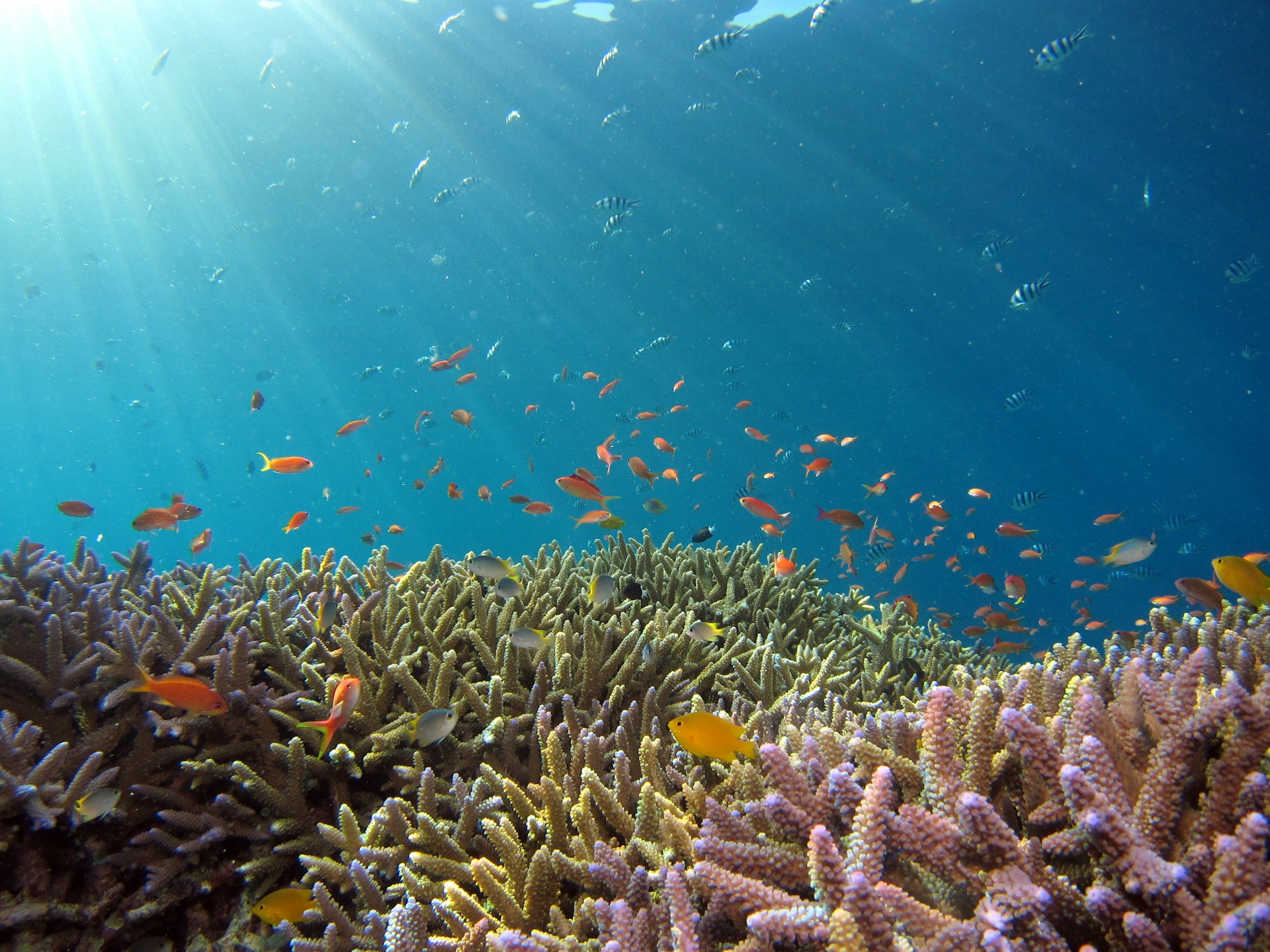
The Great Barrier Reef is not just the world's largest coral reef system—it's a diver's paradise featuring over 2,900 individual reefs and 900 islands stretching over 2,300 kilometers. With such vast diversity, choosing where to dive can be overwhelming. Here are the absolute best dive sites you shouldn't miss.
1. Cod Hole
Located near Lizard Island, Cod Hole is famous for its friendly potato cod—massive fish that can grow up to 2 meters long and weigh over 100kg. These gentle giants are so accustomed to divers that they'll swim right up to you, creating unforgettable photo opportunities.
Best Time to Visit:
June to November for the best visibility and calm conditions
The site features a sandy bottom at around 20 meters with coral bommies scattered throughout. Besides the famous cod, you'll encounter schools of trevally, coral trout, and various reef sharks. The visibility here is typically excellent, often exceeding 30 meters.
2. SS Yongala Wreck
Consistently rated as one of the world's best wreck dives, the SS Yongala sank in 1911 during a cyclone. The 110-meter steel passenger ship now rests at 14-28 meters depth and has become an artificial reef teeming with marine life.
What makes the Yongala special is the sheer abundance and variety of marine life. On a single dive, you might encounter sea snakes, giant groupers, manta rays, eagle rays, turtles, and even the occasional whale shark or humpback whale during migration season.
⚠️ Important Note:
This is an advanced dive site with strong currents. Minimum Advanced Open Water certification required.
3. Ribbon Reefs
The Ribbon Reefs are a chain of ten reefs running parallel to the outer edge of the Great Barrier Reef. These pristine reefs offer some of the most spectacular diving in the entire reef system, with dramatic walls, swim-throughs, and incredible biodiversity.
Ribbon Reef #10 is particularly famous for its resident dwarf minke whales that visit between June and July. These curious creatures often approach divers, creating once-in-a-lifetime encounters. The reefs also feature healthy hard and soft corals, schools of barracuda, and frequent shark sightings.
4. Osprey Reef
Located in the Coral Sea, about 350km from Cairns, Osprey Reef is a submerged atoll offering world-class shark diving. The North Horn site is famous for its shark feeds, where you can see grey reef sharks, silvertip sharks, and occasionally hammerheads.
The reef walls drop dramatically to over 1,000 meters, creating stunning topography with caves, swim-throughs, and overhangs covered in colorful soft corals. The visibility here is exceptional, often exceeding 40 meters, and the water is a deep, pristine blue.
5. Pixie Pinnacle
Part of Ribbon Reef #9, Pixie Pinnacle is a coral-covered pinnacle rising from 35 meters to just 5 meters below the surface. This site is renowned for its incredible density of marine life and is often called the "aquarium dive" of the Great Barrier Reef.
The pinnacle is completely covered in colorful soft corals, sea fans, and sponges. Schools of anthias, fusiliers, and trevally swirl around the structure, while turtles, reef sharks, and giant groupers patrol the area. Macro photographers will love the numerous nudibranchs, shrimps, and other small critters.
Planning Your Great Barrier Reef Dive Trip
When to Go
The Great Barrier Reef can be dived year-round, but the best conditions are typically from June to November. During these months, you'll experience:
- Calmer seas and better visibility (often 20-30+ meters)
- Comfortable water temperatures (23-26°C)
- Lower chance of stinger season (box jellyfish)
- Minke whale season (June-July)
What to Bring
- 3mm or 5mm wetsuit (water temps range from 23-29°C)
- Reef-safe sunscreen
- Underwater camera (many sites offer incredible photo opportunities)
- Dive computer and safety equipment
- Logbook and certification cards
Conservation Tips
The Great Barrier Reef is a UNESCO World Heritage site facing environmental challenges. As divers, we have a responsibility to protect it:
- Practice excellent buoyancy control to avoid touching coral
- Never touch, chase, or harass marine life
- Don't collect shells, coral, or other souvenirs
- Use reef-safe sunscreen only
- Support eco-friendly dive operators
- Consider participating in reef monitoring or cleanup programs
Ready to Explore the Great Barrier Reef?
Join us on one of our Great Barrier Reef dive expeditions. We offer liveaboard trips to the outer reefs, day trips from Cairns, and specialized photography tours.
Final Thoughts
The Great Barrier Reef offers diving experiences that are truly unmatched anywhere else in the world. From intimate encounters with potato cod to thrilling shark dives at Osprey Reef, from pristine coral gardens to historic wrecks, there's something for every diver.
Whether you're a beginner looking for your first reef experience or an advanced diver seeking world-class sites, the Great Barrier Reef delivers. The key is choosing the right sites for your skill level and interests, and diving with experienced operators who know these waters intimately.
Remember, this incredible ecosystem needs our protection. Dive responsibly, follow conservation guidelines, and help ensure that future generations can experience the same wonder that we do today.