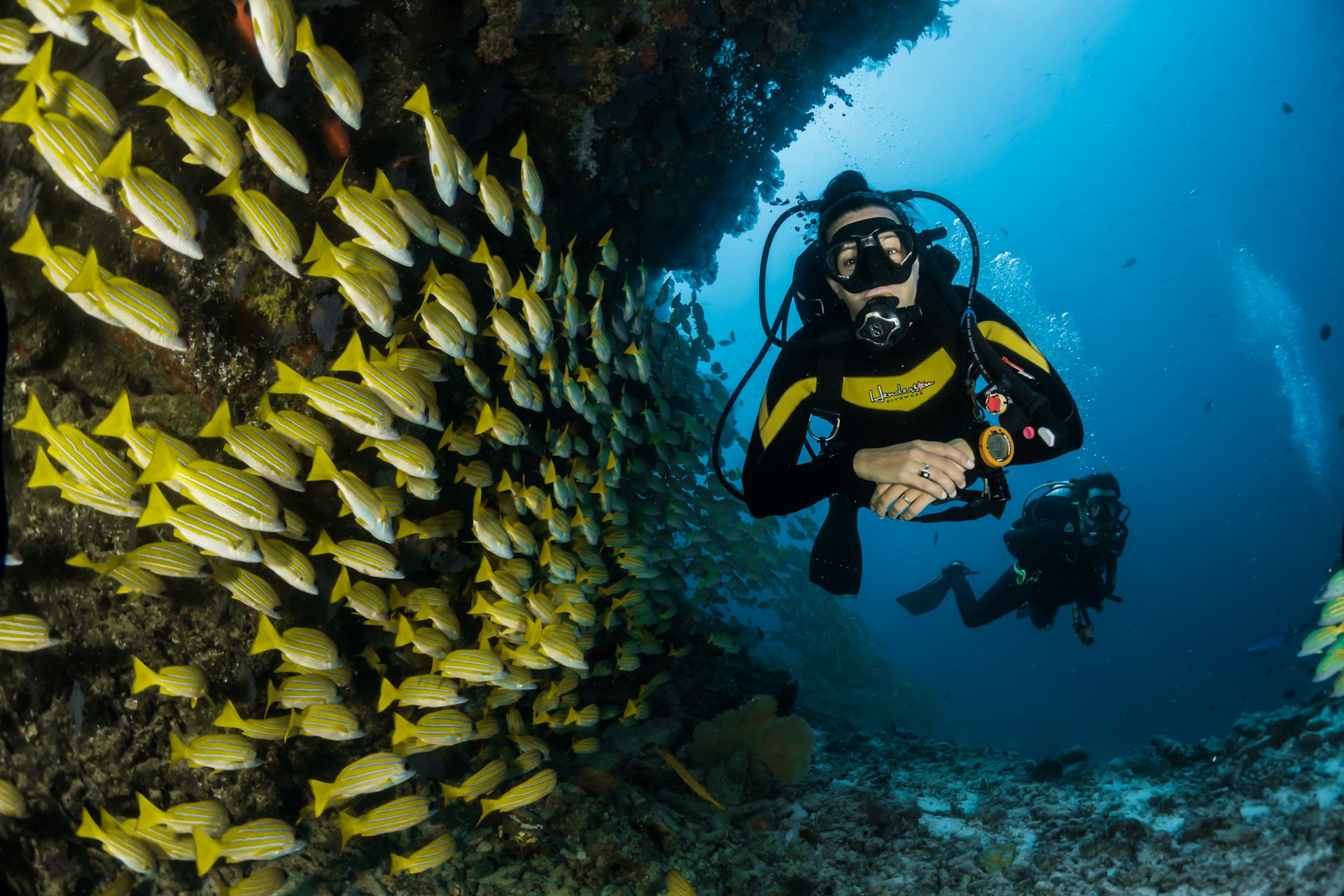
Taking your first breath underwater is an experience you'll never forget. But like any new adventure, proper preparation makes all the difference. Here are 10 essential tips to ensure your first scuba diving experience is safe, comfortable, and absolutely amazing.
1. Choose a Reputable Dive Center
Your first dive experience depends heavily on the quality of instruction and equipment. Look for PADI or SSI certified dive centers with experienced instructors, good reviews, and well-maintained equipment. Don't choose based on price alone—your safety is worth the investment.
2. Be Honest About Your Health
You'll need to complete a medical questionnaire before diving. Be completely honest about any health conditions, medications, or concerns. Certain conditions like asthma, heart problems, or ear issues may require doctor clearance. It's better to be safe than sorry.
3. Listen Carefully During the Briefing
Your instructor will explain equipment, hand signals, and safety procedures. Pay close attention and don't hesitate to ask questions. Understanding the basics before you enter the water will make you feel much more confident.
4. Breathe Slowly and Deeply
The most important rule in scuba diving: never hold your breath. Breathe slowly, deeply, and continuously. This helps you stay calm, conserve air, and maintain proper buoyancy. If you feel anxious, focus on your breathing—it really helps.
5. Equalize Your Ears Early and Often
As you descend, pressure increases and you'll feel it in your ears. Equalize by pinching your nose and gently blowing, or by swallowing. Start equalizing before you feel discomfort, and do it frequently. Never force it—if it hurts, ascend a bit and try again.
6. Stay Close to Your Instructor
Your instructor is there to help and ensure your safety. Stay within arm's reach, maintain eye contact, and follow their lead. If you feel uncomfortable at any point, signal your instructor immediately—they're trained to help.
7. Move Slowly and Deliberately
Underwater, everything happens in slow motion. Move slowly and deliberately to conserve energy and air. Avoid rapid movements that can startle marine life or affect your buoyancy. Remember: slow is smooth, and smooth is fast.
8. Don't Touch Anything
Keep your hands to yourself underwater. Coral is fragile and can be damaged by touch. Some marine life is poisonous or can sting. Plus, good buoyancy control means you shouldn't need to touch anything anyway. Look, but don't touch.
9. Watch Your Air Supply
Check your air gauge regularly. Your instructor will ask you to show your gauge periodically. When you reach 50 bar (700 psi), it's time to surface. Never let your tank run completely empty—always surface with reserve air.
10. Enjoy the Experience!
Most importantly, relax and enjoy yourself. Scuba diving opens up a whole new world. Take time to look around, observe the marine life, and appreciate the unique experience of breathing underwater. Your first dive is special—savor every moment.
Ready for Your First Dive?
Book a Discover Scuba Diving experience or start your Open Water certification with us. Our patient, experienced instructors will ensure you have an amazing first dive.
What to Expect on Your First Dive
A typical first dive experience includes a briefing, equipment fitting, pool or shallow water practice, and then an open water dive to around 12 meters. The whole experience usually takes 2-4 hours. You'll be with an instructor the entire time, and you'll practice basic skills before going deeper.
Remember, everyone feels a bit nervous before their first dive—that's completely normal. But once you're underwater, breathing comfortably, and seeing the incredible marine life, those nerves transform into pure excitement. Welcome to the underwater world!